A Deep Dive into CFD Brokers: What Every Trader Needs to Know
When entering the world of CFD trading, one of the first steps is understanding what is a cfd broker. CFD brokers act as intermediaries between traders and the financial markets, providing a platform for executing trades on a range of financial instruments. This article delves into the crucial aspects of CFD brokers and what traders should consider when choosing one.
What is a CFD Broker?
A CFD broker offers access to financial markets through Contracts for Difference (CFDs), enabling traders to speculate on price movements of assets without owning the underlying assets. CFDs allow traders to benefit from both rising and falling markets by predicting whether the price of a given asset will increase or decrease.
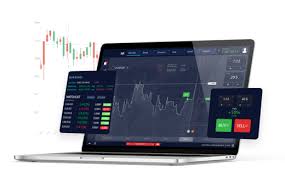
These brokers provide trading platforms, such as MetaTrader or proprietary apps, where traders can place trades, analyze charts, and manage their portfolios. Additionally, CFD brokers typically provide leverage, allowing traders to control larger positions with a smaller initial investment, although this carries increased risk.
The Role of a CFD Broker
CFD brokers perform several key functions. First, they offer access to a wide range of asset classes, including stocks, indices, commodities, and forex. This broad market access enables traders to diversify their portfolios and capitalize on global price movements.
Second, they facilitate trade execution by matching buyers and sellers. Once a trader opens a position, the broker ensures the transaction is processed efficiently. Brokers also manage margin accounts, ensuring that traders have enough capital to cover their positions, especially when using leverage.
Lastly, CFD brokers provide educational resources and customer support to guide traders, whether they are new to the markets or seasoned professionals. These services ensure that traders understand risk management and the various tools available to them.
Key Services Provided by CFD Brokers
• Access to Global Markets: CFD brokers allow traders to engage in markets worldwide, giving them the flexibility to trade a wide variety of financial instruments.
• Leverage and Margin Trading: Brokers often offer leverage, which magnifies both potential profits and losses. They also set margin requirements to ensure that traders have sufficient funds to support their trades.
• Risk Management Tools: Brokers provide risk management tools like stop-loss orders, which automatically close positions when the price hits a specific threshold, helping to limit losses.
• Real-Time Data and Analytics: Access to real-time data, technical indicators, and market news is essential for making informed trading decisions. Brokers typically offer these tools as part of their service packages.
Conclusion
CFD brokers serve as critical facilitators in the trading world, providing access to global markets, essential tools, and educational resources for traders. By understanding the broker’s role and services, traders can make better-informed decisions and improve their overall trading experience.